Energy Performance: Navigating the Road to 2030
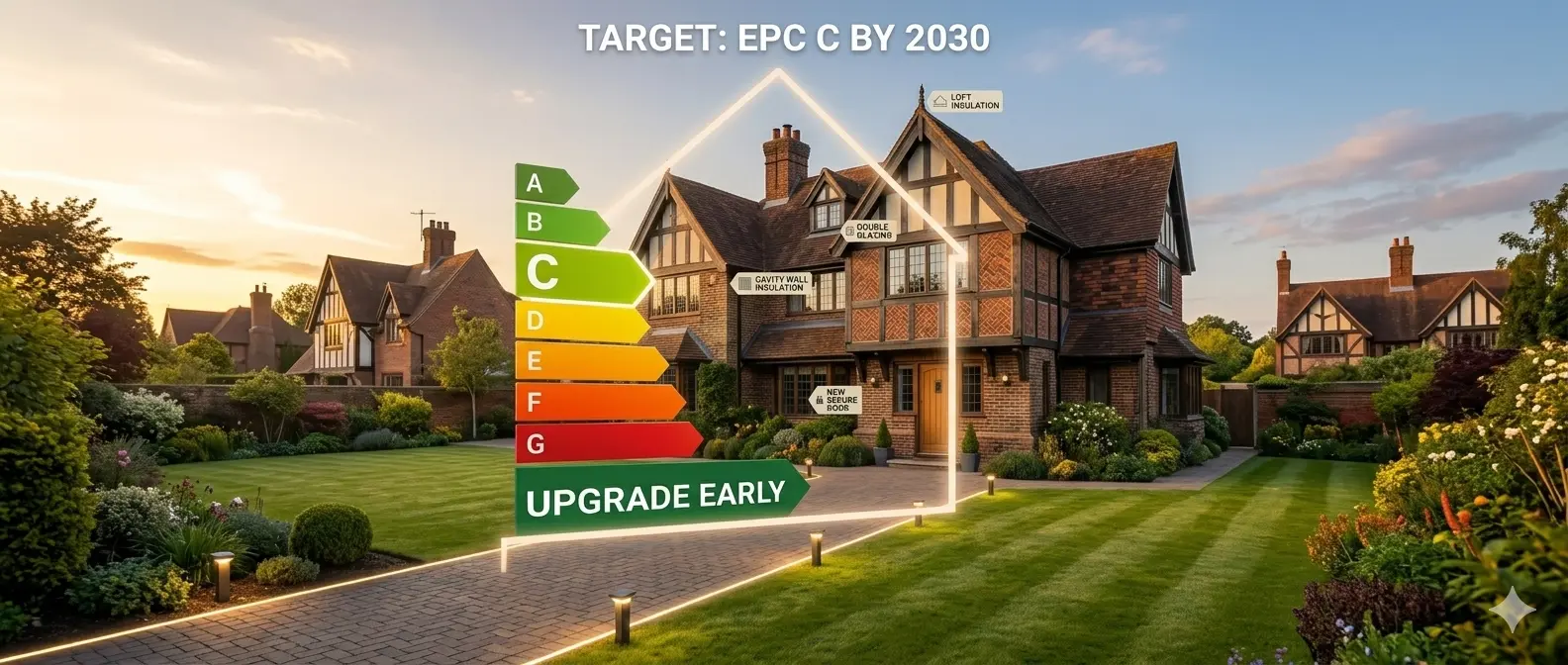
Why Proactive Planning is Key for the 2030 EPC C Deadline
With the government confirming that all privately rented properties in England and Wales must reach an Energy Performance Certificate (EPC) rating of C by 1 October 2030, the countdown is officially on. While four years may seem like a distant horizon, industry experts are urging landlords to start their planning now to avoid a last-minute scramble.
The New Rules at a Glance
The path to 2030 has been clarified: there is now a unified deadline of 1 October 2030 for all domestic private rented properties, whether they are new or existing tenancies. Crucially, the government is also introducing a shift in how energy performance is measured. From 1 October 2029, the current system will be replaced by the new Home Energy Model (HEM). It is worth noting that any upgrades completed and EPCs issued under the current system before October 2029 will remain valid until they expire, providing a potential window of opportunity for early movers.
Why Act Now?
It is easy to view 2030 as a "future problem," but there are significant risks to waiting:
The Installation Pipeline: As the deadline approaches, demand for qualified tradespeople—particularly for window installations, insulation, and heating upgrades—will inevitably spike. Booking work early ensures better availability and more competitive pricing.
The "Fabric First" Approach: Current guidance emphasises a "fabric first" strategy. This means focusing on the building envelope—loft insulation, cavity wall insulation, and energy-efficient glazing—before moving to more complex systems. These measures not only improve your EPC rating but also address issues like condensation, damp, and mould, which are becoming key priorities under impending regulations such as Awaab’s Law.
Budgeting with Certainty: A cost cap of £10,000 per property has been set for these improvements (or 10% of the property’s value for homes worth under £100,000). Qualifying expenditure incurred from 1 October 2025 already counts towards this cap. By assessing your portfolio now, you can phase your investment over the next few years rather than facing a large, singular bill close to the deadline.
Practical Steps for Landlords
You don’t need to overhaul your entire portfolio overnight. Start by taking these simple steps:
Review Your Current EPCs: Check the expiration dates of your current certificates. If you are close to renewal, consider whether an energy-efficient upgrade now would be a better investment than simply renewing a low-rated certificate.
Audit Your Properties: If you aren’t sure what your properties need, book an energy assessment. Identifying the "quick wins"—such as increasing loft insulation or installing better heating controls—can provide a significant boost to your rating for a relatively low cost.
Talk to Your Tenants: Energy efficiency isn’t just a regulatory requirement; it’s a major selling point for tenants who are increasingly conscious of energy bills. Communicating your plans for improvements can help maintain good relationships and reduce the risk of future voids.
The Bottom Line
Waiting until the final months before 2030 is a risk many landlords simply cannot afford. By taking small, manageable steps today, you can ensure your properties remain compliant, attractive to prospective tenants, and protected from the inevitable market rush as the deadline approaches.
Are you currently auditing your properties for the 2030 requirements? Planning ahead now puts you in the strongest position for the years to come.