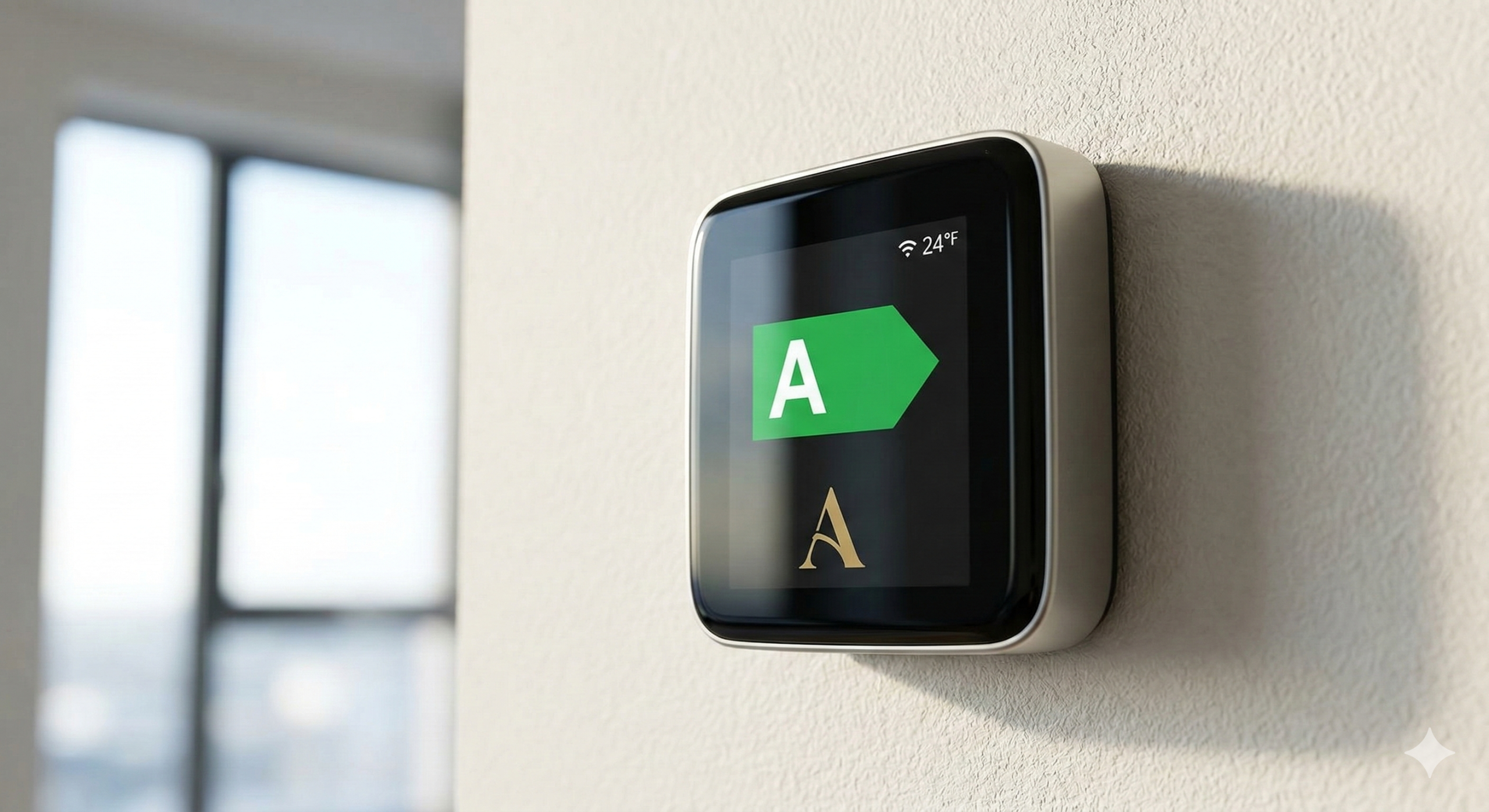
EPC Upgrade: Boost Rents & Property Value
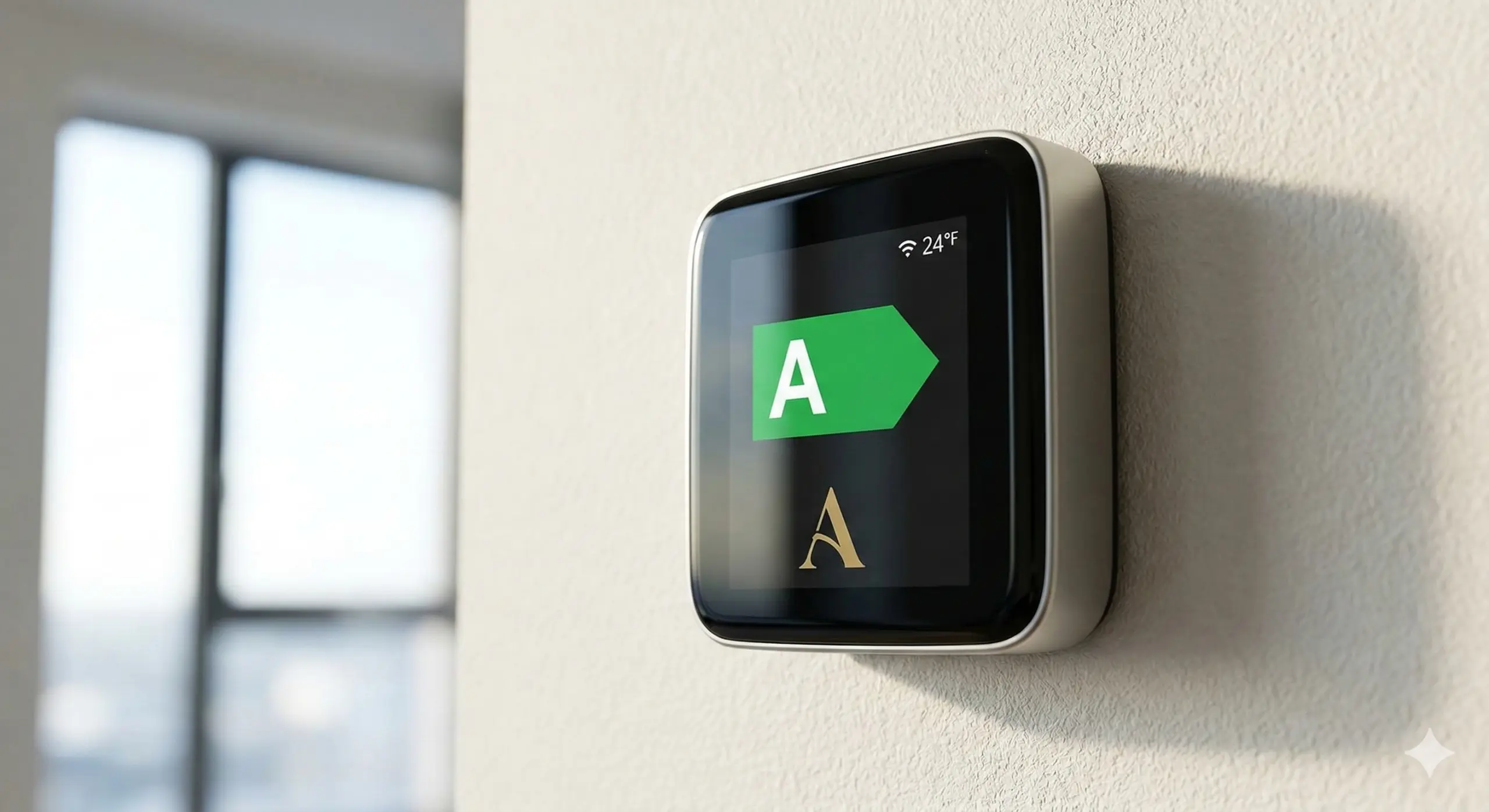
The EPC Advantage: Turning Regulatory Change into Higher Rental Yields
The landscape of the UK rental market is evolving. For forward-thinking landlords and investors, the upcoming deadline for Energy Performance Certificate (EPC) ratings represents not a hurdle, but a significant opportunity. While the requirement for all rental properties to achieve an EPC rating of 'C' or above by October 2030 may seem like a challenge, it’s actually a clear roadmap to creating more valuable, desirable, and profitable assets.
This article will explore how you can strategically leverage these new regulations to enhance your portfolio, attract premium tenants, and ultimately drive higher yields. It’s time to move beyond mere compliance and embrace the EPC advantage.
The Countdown to C: A Clear Roadmap for Landlords
The government has set a firm timeline: by October 2030, all properties in the private rented sector will need to have an EPC rating of at least 'C'. This applies to both new and existing tenancies.
Rather than viewing this as a last-minute scramble, savvy investors see it for what it is: a five-year window to plan and execute strategic upgrades. This long-term directive provides the certainty needed to make informed investment decisions that will pay dividends for years to come. By starting now, you can phase your improvements, manage costs effectively, and stay ahead of the curve.
The "Green Premium": Why Efficiency Equals Higher Returns
One of the most compelling reasons to upgrade is the emergence of a distinct "green premium" in the rental market. As energy costs remain a primary concern for households, tenants are becoming increasingly sophisticated in their property searches. They are actively seeking homes that are cheaper to run, and they are willing to pay more for them.
Market analysis indicates a clear trend:
Properties with an EPC rating of 'C' or above are already commanding higher rents, with premiums ranging from 5% to 12% compared to less efficient homes.
This gap is projected to widen as the 2030 deadline approaches and tenant awareness grows.
A higher EPC rating is no longer just a legal requirement; it's a powerful marketing tool that directly translates to a healthier bottom line.
Beyond the Basics: Investing in High-Impact Eco-Tech
While foundational upgrades like loft insulation and double glazing are essential first steps, achieving a 'C' rating and maximising your return on investment often requires looking at more advanced solutions. Investing in "eco-tech" not only helps you meet the standard but also significantly boosts a property's "let-ability" and long-term value.
Consider these high-impact upgrades:
Smart Thermostats: These devices offer tenants greater control over their heating, reduce energy waste, and add a modern, tech-savvy appeal to your property.
Air Source Heat Pumps: As an efficient, low-carbon alternative to traditional gas boilers, heat pumps future-proof your property against changing regulations and are a major draw for environmentally conscious tenants.
Solar PV Panels: Installing solar panels can drastically reduce a property's reliance on the grid, leading to substantial bill savings for tenants. This is a premium feature that makes your property stand out and justifies a higher rental price.
These upgrades are not just expenses; they are long-term investments that protect your asset against obsolescence and make it more attractive in a competitive market.
Unlocking the Full Potential of Your Portfolio
Embracing energy efficiency unlocks a cascade of benefits that go far beyond compliance. Proactive landlords are positioning themselves to reap significant rewards.
Attract and Retain Premium Tenants
High-efficiency homes are a magnet for responsible, professional tenants. These individuals are often looking for long-term homes and are attracted by the prospect of lower running costs and a higher quality of living. This leads to lower tenant turnover, fewer void periods, and a more stable income stream.
Drive Significant Yield Growth
As discussed, the direct link between lower energy bills for tenants and their willingness to pay higher rent is undeniable. By investing in efficiency, you are creating a more valuable proposition for the tenant, allowing you to command a premium rent that accelerates your yield growth.
Enhance Long-Term Asset Value
An energy-efficient property is a future-proofed asset. As regulations tighten and buyer demand for green homes increases, properties with high EPC ratings will become more valuable and easier to sell. These upgrades are a direct investment in the capital appreciation of your portfolio.
Leverage Financial Incentives
The government and financial institutions are actively encouraging green upgrades. Landlords can often offset the cost of improvements through:
Capital Allowances: Certain energy-efficient installations can be deducted from your pre-tax profits.
Green Finance: A growing number of lenders offer preferential rates or "green mortgages" for properties that meet high efficiency standards.
A Practical Approach to Upgrades: Addressing Your Concerns
We understand that the prospect of undertaking upgrades can raise practical questions, particularly around cost and logistics. Here’s how to approach it pragmatically.
What about the upfront cost?
The key is to take a phased and strategic approach. You have a five-year window, so there’s no need to do everything at once.
Start with an Assessment: Commission an up-to-date EPC and a retrofitting assessment to identify the most cost-effective measures that will deliver the biggest improvement for the lowest outlay.
Plan Your Budget: Spread the costs over the next few years, aligning them with your financial planning.
Explore Funding: Actively research available grants, green loans, and tax incentives that can significantly reduce the net cost of the work.
How can I manage the disruption for my tenants?
Minimising disruption is crucial for maintaining a good landlord-tenant relationship.
Schedule for Voids: The ideal time to carry out major works is during a void period between tenancies. This avoids any inconvenience for tenants and allows contractors to work more efficiently.
Bundle Works: If you need to carry out work in an occupied property, try to bundle jobs together. For example, if you are upgrading insulation, it might be a good time to also handle any planned redecoration.
Communicate Clearly: Always maintain open and honest communication with your tenants. Give them plenty of notice and a clear timeline for any planned work.
Your Partner in Building a Future-Proof Portfolio
The shift towards a greener rental sector is undeniable. The landlords who act decisively now will be the ones who thrive in the coming decade. The EPC 'C' deadline is not a burden; it is a catalyst for creating better homes, attracting better tenants, and building more resilient, profitable property portfolios.
At Evenmore Properties, we see ourselves as your trusted advisors on this journey. We can help you navigate the regulations, identify the most impactful upgrades for your specific properties, and manage the process seamlessly.
Don't wait for the deadline to loom. Contact our team today to discuss how we can help you turn compliance into a powerful competitive advantage.